Probiotics Explained: Benefits and Side Effects
Probiotics have gained significant attention in recent years for their potential to support digestive health, strengthen the immune system, and improve overall well-being. These beneficial microorganisms naturally live in the human gut and play an important role in maintaining a healthy balance of bacteria. While probiotics offer numerous health benefits, understanding how they work, their possible side effects, and how to choose the right supplement is essential before adding them to your daily routine.
What Are Probiotics?
Probiotics are live beneficial bacteria and yeasts that help maintain the natural balance of microorganisms in your digestive system. They are commonly found in fermented foods and dietary supplements. A healthy gut contains trillions of microorganisms that assist with digestion, nutrient absorption, and immune function. When this balance is disrupted by illness, antibiotics, poor diet, or stress, probiotics may help restore it.
Common Types of Probiotics
Different probiotic strains provide different health benefits. Some of the most commonly used include:
Lactobacillus
One of the most widely studied probiotic groups, Lactobacillus may help improve digestion, reduce diarrhea, and support lactose digestion.
Bifidobacterium
This strain supports gut health, promotes healthy bowel movements, and contributes to immune system function.
Saccharomyces boulardii
A beneficial yeast often used to help reduce antibiotic-associated diarrhea and support digestive recovery.
Health Benefits of Probiotics Supports Digestive Health
Probiotics help maintain a healthy balance of gut bacteria, which may improve digestion and reduce occasional bloating, constipation, and diarrhea.
Strengthens the Immune System
A large portion of the body's immune cells are located in the digestive tract. Maintaining a healthy gut microbiome may support normal immune function.
Helps Restore Gut Balance After Antibiotics
Antibiotics can eliminate both harmful and beneficial bacteria. Probiotics may help replenish healthy bacteria following antibiotic treatment.
May Improve Nutrient Absorption
A balanced digestive system allows the body to absorb vitamins, minerals, and other nutrients more efficiently.
Supports Overall Wellness
Emerging research suggests that a healthy gut microbiome may influence metabolism, skin health, and overall quality of life, although research in some areas is still evolving.
Natural Food Sources of Probiotics
Many foods naturally contain beneficial bacteria, including:
Yogurt with live cultures Kefir Kimchi Sauerkraut Miso Tempeh Kombucha
Including these foods as part of a balanced diet may naturally increase probiotic intake.
Probiotic Supplements
Probiotic supplements are available in capsules, powders, gummies, and liquid forms. When choosing a supplement, consider:
Clearly identified probiotic strains
Adequate CFU (Colony Forming Units)
Third-party quality testing
Proper storage recommendations
Reputable manufacturers
Consult a healthcare professional if you are unsure which product best fits your individual needs.
Possible Side Effects
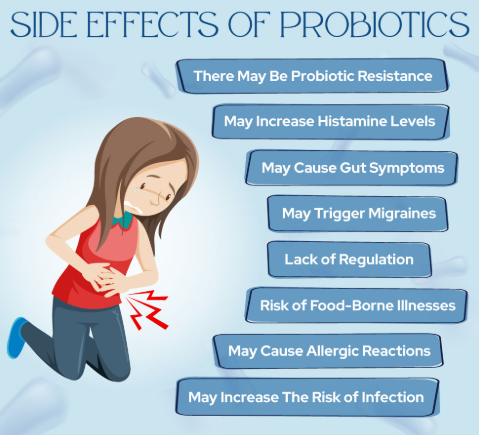
Most healthy adults tolerate probiotics well. However, some people may experience mild temporary side effects when first starting supplementation, such as:
Gas Bloating Mild stomach discomfort Changes in bowel movements
These symptoms often improve as the body adjusts.
People with severely weakened immune systems or serious underlying medical conditions should consult a healthcare provider before using probiotic supplements.
Tips for Safe Use
Follow the recommended serving size.
Store products according to the manufacturer's instructions.
Choose supplements from trusted brands.
Maintain a healthy, balanced diet rich in fiber to support beneficial bacteria.
Consult a healthcare professional if you have chronic digestive conditions or are taking prescription medications.
Frequently Asked Questions
Are probiotics safe to take every day?
For most healthy adults, daily probiotic use is generally considered safe when taken as directed.
How long does it take for probiotics to work?
Some people notice digestive improvements within a few days, while others may require several weeks of consistent use.
Should probiotics be taken with food?
Many probiotic supplements are recommended with meals, but always follow the manufacturer's instructions.
Can children take probiotics?
Certain probiotic products are formulated specifically for children. Parents should consult a pediatric healthcare professional before starting supplementation.
Final Thoughts
Probiotics can be a valuable addition to a healthy lifestyle by supporting digestive balance, immune function, and overall gut health. While many people benefit from probiotic-rich foods and supplements, choosing the right product and using it consistently is important. Remember that probiotics work best when combined with a nutritious diet, regular physical activity, adequate hydration, and healthy lifestyle habits.
Although probiotics offer promising health benefits, they should complement—not replace—professional medical advice or prescribed treatments. If you have ongoing digestive symptoms or underlying health conditions, consult a qualified healthcare provider for personalized recommendations.