- Signs of Vitamin Deficiency and How to Fix Them Naturally
- Your body sends subtle signals long before a vitamin deficiency becomes a serious health concern. Persistent fatigue, dry skin, muscle weakness, or frequent illness are often mistaken for stress or aging when they may actually indicate a lack of essential nutrients.
- Vitamins are involved in hundreds of biological processes—from producing energy and supporting immunity to maintaining healthy bones, skin, nerves, and vision. Recognizing the early warning signs can help you correct deficiencies before they affect your overall well-being.
- This guide explains the most common vitamin deficiencies, their symptoms, possible causes, and effective ways to restore healthy nutrient levels.
- ________________________________________
- Why Vitamin Deficiencies Happen
- Even people who eat regularly may not receive enough vitamins. Several factors can reduce nutrient intake or absorption, including:
- Diets low in fruits, vegetables, dairy, or whole grains
- Digestive conditions that affect nutrient absorption
- Certain medications
- Aging
- Pregnancy
- Restrictive eating plans
- Excessive alcohol consumption
- Because symptoms often develop gradually, deficiencies can go unnoticed for months.
- ________________________________________
- Common Signs of Vitamin Deficiency
- Constant Fatigue and Low Energy
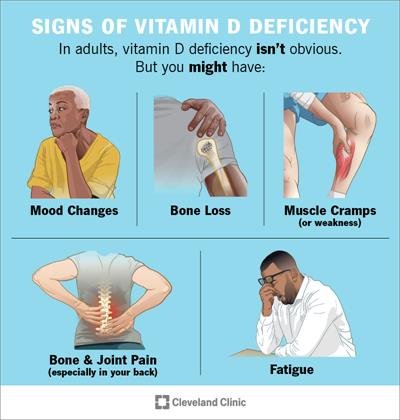
- Feeling tired despite getting enough sleep may indicate deficiencies in Vitamin B12, Vitamin D, or Folate.
- Low vitamin levels reduce the body's ability to produce healthy red blood cells and convert food into energy.
- Foods That Help
- Eggs
- Fish
- Dairy products
- Fortified cereals
- Lean meats
- ________________________________________
- Frequent Illness
- If you catch colds frequently or recover slowly, your immune system may not be getting the nutrients it needs.
- Important immune-supporting vitamins include:
- Vitamin C
- Vitamin D
- Vitamin A
- Vitamin E
- Best Food Sources
- Citrus fruits
- Bell peppers
- Kiwi
- Sweet potatoes
- Spinach
- Salmon
- ________________________________________
- Dry Skin and Poor Wound Healing
- Healthy skin requires several vitamins working together.
- Deficiencies in Vitamins A, C, and E may contribute to:
- Rough skin
- Slow healing
- Skin irritation
- Cracked lips
- Improve Skin Nutrition
- Eat foods rich in antioxidants such as:
- Carrots
- Mangoes
- Almonds
- Avocados
- Tomatoes
- ________________________________________
- Hair Loss
- While genetics plays a major role, nutritional deficiencies can also contribute.
- Possible nutrient deficiencies include:
- Biotin
- Vitamin D
- Iron
- Zinc
- Vitamin B12
- Choose protein-rich meals along with leafy greens, nuts, seeds, eggs, and oily fish.
- ________________________________________
- Muscle Weakness and Bone Pain
- Vitamin D plays a key role in muscle function and calcium absorption.
- Low Vitamin D levels may cause:
- Bone discomfort
- Muscle weakness
- Joint aches
- Increased risk of fractures
- Natural sunlight, fatty fish, fortified milk, and supplements can help restore healthy levels.
- ________________________________________
- Tingling Hands and Feet
- Pins-and-needles sensations may indicate Vitamin B12 deficiency.
- Vitamin B12 supports healthy nerves. Long-term deficiency can result in permanent nerve damage if untreated.
- Foods rich in Vitamin B12 include:
- Fish
- Eggs
- Meat
- Milk
- Fortified plant-based foods
- ________________________________________
- Bleeding Gums
- Bleeding gums are not always caused by poor brushing habits.
- Vitamin C deficiency weakens connective tissue, making gums more sensitive and delaying healing.
- Increase your intake of:
- Oranges
- Strawberries
- Broccoli
- Kiwi
- Guava
- ________________________________________
- Vision Problems in Low Light
- Difficulty seeing at night can be associated with Vitamin A deficiency.
- Vitamin A supports the retina and healthy vision.
- Excellent sources include:
- Carrots
- Pumpkin
- Spinach
- Liver
- Sweet potatoes
- ________________________________________
- How to Restore Healthy Vitamin Levels
- Correcting a deficiency requires more than simply taking supplements.
- Eat a Balanced Diet
- Aim to include:
- Colorful vegetables
- Fresh fruits
- Whole grains
- Lean protein
- Healthy fats
- Dairy or fortified alternatives
- A varied diet naturally provides many essential vitamins.
- ________________________________________
- Get Safe Sun Exposure
- Vitamin D is produced when skin is exposed to sunlight.
- Short periods of sun exposure several times per week may help maintain healthy levels, depending on your location, skin type, and season.
- ________________________________________
- Stay Hydrated
- Water supports digestion and nutrient transport throughout the body.
- Proper hydration also contributes to healthy skin and overall metabolism.
- ________________________________________
- Consider Supplements Carefully
- Supplements may help when dietary intake isn't enough, but taking excessive amounts can be harmful.
- If symptoms persist or you suspect a deficiency, consult a healthcare professional before starting high-dose supplements. Blood tests can help identify specific nutrient deficiencies.
- ________________________________________
- Tips to Prevent Vitamin Deficiency
- Eat a wide variety of foods every week.
- Avoid highly processed diets.
- Include fruits and vegetables in every meal.
- Limit excessive alcohol intake.
- Exercise regularly.
- Schedule routine health check-ups.
- Discuss any long-term medications with your healthcare provider, as some can affect nutrient absorption.
- ________________________________________
- Final Thoughts
- Vitamin deficiencies often begin with subtle symptoms that are easy to overlook. Persistent fatigue, weakened immunity, dry skin, hair loss, muscle weakness, or numbness may all signal that your body needs more essential nutrients.
- A balanced diet, healthy lifestyle, and timely medical advice can help prevent deficiencies and support long-term wellness. Paying attention to your body's early warning signs is one of the simplest ways to protect your health before minor issues become more significant.
Signs of Vitamin Deficiency and How to Fix Them Naturally
Learn how to recognize the signs of vitamin deficiency, understand common symptoms and causes, and discover practical ways to restore healthy vitamin levels through proper nutrition, lifestyle changes, and targeted supplementation.