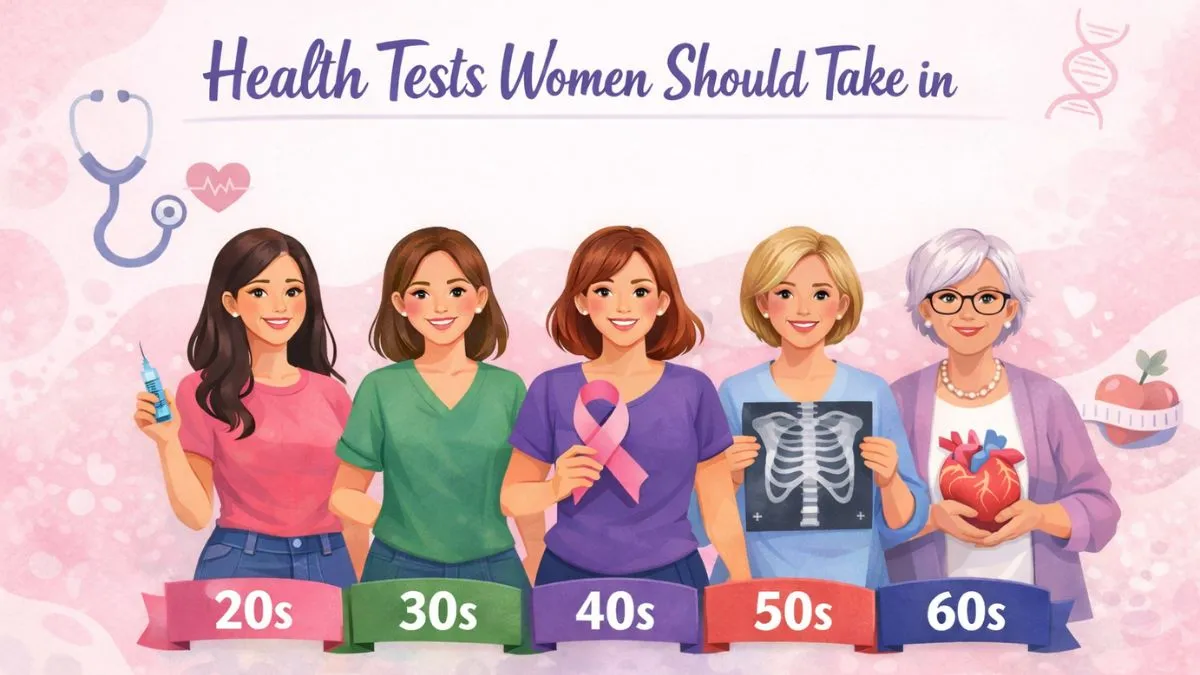
Introduction
Preventive healthcare is becoming more important than ever. Many serious health conditions such as heart disease, diabetes, cancer, and kidney disorders develop silently without noticeable symptoms. Regular health screening tests help identify potential health issues before they become severe, allowing early treatment and better outcomes.
Whether you're in your 20s, 40s, or beyond, investing in routine health screenings can significantly improve your long-term health and quality of life. This guide covers the most important health screening tests everyone should consider in 2026.
Why Health Screenings Matter
Health screenings are preventive medical tests designed to detect diseases at an early stage. Early detection often means:
Better treatment success rates
Lower healthcare costs
Reduced risk of complications
Improved life expectancy
Better overall health management
According to healthcare experts, many chronic diseases can be prevented or controlled when identified early through regular screenings.
Blood Pressure Screening Why It's Important
High blood pressure, also known as hypertension, is often called the "silent killer" because it typically has no symptoms.
What It Detects
Hypertension
Heart disease risk
Stroke risk
Kidney damage
Recommended Frequency
Adults aged 18-39: Every 2-3 years
Adults 40+: Annually
Healthy Range
A normal blood pressure reading is generally below 120/80 mmHg.
Blood Sugar (Diabetes) Screening Why It's Important
Millions of people live with prediabetes or diabetes without knowing it.
Tests Included
Fasting Blood Glucose
HbA1c Test
Oral Glucose Tolerance Test
What It Detects
Prediabetes
Type 2 Diabetes
Blood sugar abnormalities
Recommended Frequency
Every 1-3 years for adults, especially those who are overweight or have a family history of diabetes.
Cholesterol Test (Lipid Profile) Why It's Important
High cholesterol increases the risk of heart attacks and strokes.
Measures
Total Cholesterol
LDL (Bad Cholesterol)
HDL (Good Cholesterol)
Triglycerides
Recommended Frequency
Every 4-6 years for healthy adults and more frequently for high-risk individuals.
Complete Blood Count (CBC) Why It's Important
A CBC provides a broad overview of your health.
Detects Anemia Infections Blood disorders Immune system issues Recommended Frequency
At least once a year during routine health checkups.
Kidney Function Test Why It's Important
Kidney disease often develops without noticeable symptoms.
Includes
Creatinine Test
Blood Urea Nitrogen (BUN)
Estimated GFR
Detects
Kidney disease
Kidney damage
Reduced kidney function
Recommended Frequency
Annually for adults with diabetes, hypertension, or family history of kidney disease.
Liver Function Test (LFT) Why It's Important
The liver performs hundreds of essential functions in the body.
Detects
Fatty liver disease
Hepatitis
Liver damage
Alcohol-related liver conditions
Recommended Frequency
Every 1-2 years or as advised by your healthcare provider.
Cancer Screenings Breast Cancer Screening Mammogram
Recommended for women aged 40 and older.
Cervical Cancer Screening Pap Smear and HPV Test
Recommended for women according to age and medical history.
Colorectal Cancer Screening Colonoscopy
Usually recommended beginning at age 45.
Prostate Cancer Screening PSA Test
Men should discuss screening options with their healthcare provider.
Thyroid Function Test Why It's Important
Thyroid disorders affect metabolism, energy levels, and overall health.
Detects
Hypothyroidism
Hyperthyroidism
Thyroid abnormalities
Symptoms That May Indicate Testing
Fatigue
Weight changes
Hair loss
Mood changes
Recommended Frequency
Every few years or as advised by a physician.
Eye Examination Why It's Important
Regular eye exams can detect vision problems and serious health conditions.
Detects
Glaucoma
Cataracts
Diabetic retinopathy
Age-related vision changes
Recommended Frequency
Every 1-2 years.
Dental Examination Why It's Important
Oral health directly impacts overall health.
Detects
Tooth decay
Gum disease
Oral infections
Early signs of oral cancer
Recommended Frequency
Twice per year.
Bone Density Test Why It's Important
Bone loss can occur silently for years.
Detects
Osteoporosis
Fracture risk
Recommended For
Women over 65
Men over 70
Younger adults with risk factors
12. Body Mass Index (BMI) and Obesity Screening
Why It's Important
Maintaining a healthy weight reduces the risk of multiple diseases.
Helps Assess Risk For
Diabetes
Heart disease
Hypertension
Sleep apnea
Recommended Frequency
At every annual wellness visit.
Vitamin Deficiency Screening
Common Tests
Vitamin D
Vitamin B12
Iron Levels
Why It's Important
Deficiencies can affect:
Energy levels Bone health Immunity Brain function Recommended Frequency
As advised by your healthcare provider.
Heart Health Screening
Tests May Include
ECG (Electrocardiogram)
Echocardiogram
Stress Test
Detects
Heart rhythm abnormalities
Coronary artery disease
Structural heart problems
Recommended For
Adults with cardiovascular risk factors.
Skin Cancer Screening Why It's Important
Skin cancer is one of the most common cancers worldwide.
Look For
New moles
Changing spots
Unusual skin growths
Recommended Frequency
Annual skin examination, especially for people with high sun exposure.
Health Screening Checklist by Age
Ages 20-39
Blood Pressure
Cholesterol
Blood Sugar
CBC
Dental Exams
Eye Exams
Ages 40-59
All above tests
Mammograms
Colon Cancer Screening
Thyroid Screening
Age 60+
All recommended screenings
Bone Density Test
Advanced Heart Screening
Comprehensive Annual Health Checkups
Tips to Get the Most from Health Screenings
Schedule annual wellness exams.
Keep copies of your medical reports.
Discuss family medical history with your doctor.
Follow up on abnormal results promptly.
Maintain healthy lifestyle habits between screenings.
Conclusion
Regular health screenings are one of the most effective ways to protect your health and prevent serious diseases. Early detection allows timely treatment, reduces healthcare expenses, and improves quality of life. Regardless of age, prioritizing preventive healthcare can help you stay healthier, longer.
Make health screenings a routine part of your wellness strategy and encourage your family members to do the same. Prevention is always better than cure.