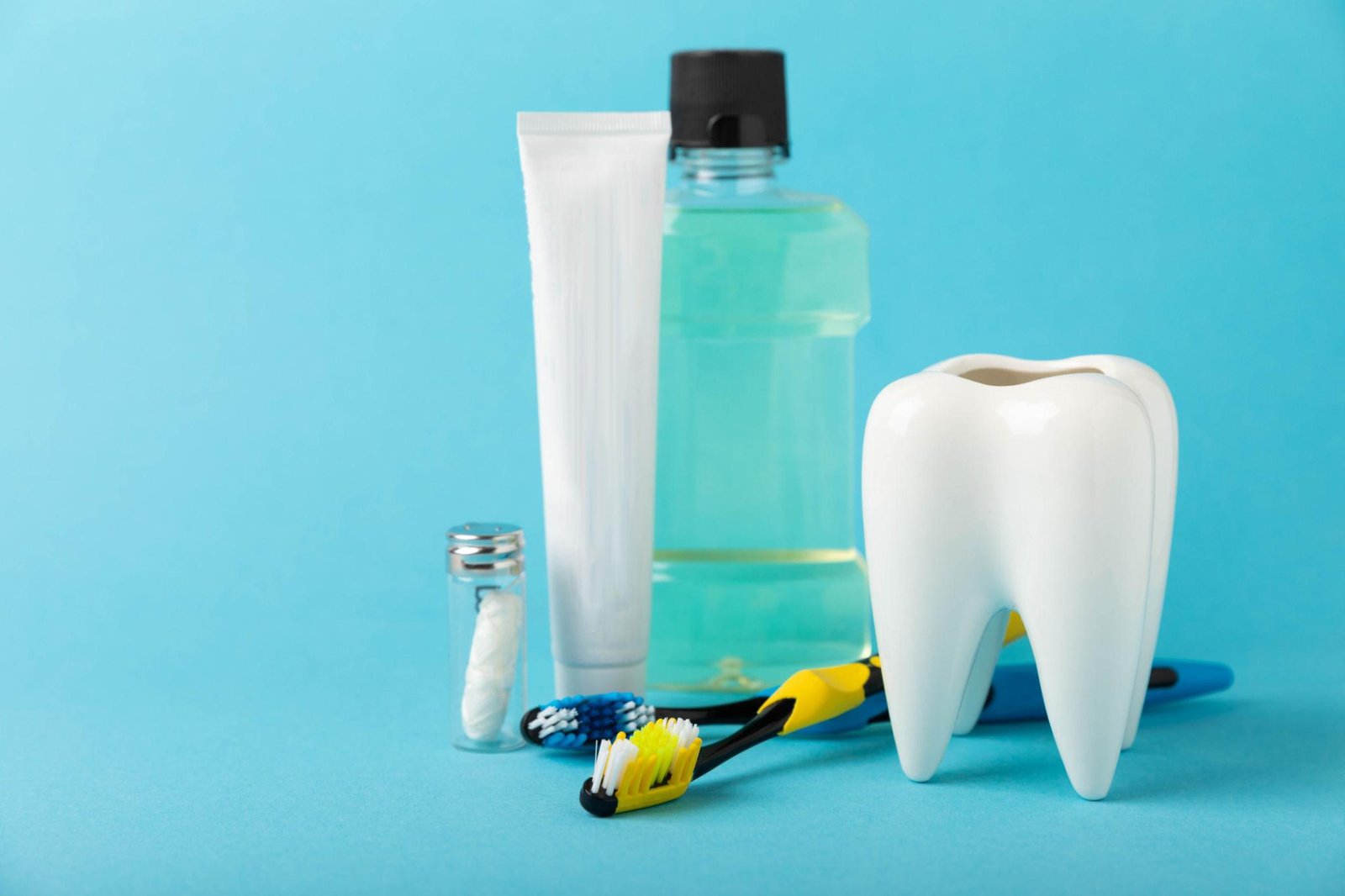
Best Oral Care Products Recommended by Dentists (2026 Guide)
Maintain a Healthy Smile with Dentist-Recommended Oral Care Products
A healthy smile begins with a consistent oral hygiene routine and the right dental care products. While brushing and flossing remain the foundation of good oral health, dentists also recommend choosing products that effectively protect against cavities, plaque buildup, gum disease, enamel erosion, and bad breath.
Modern oral care products are designed to address specific dental concerns such as sensitive teeth, whitening, dry mouth, gum inflammation, and orthodontic care. Whether you're looking for the best toothpaste, electric toothbrush, mouthwash, floss, or whitening products, selecting dentist-recommended options can significantly improve your long-term oral health.
This comprehensive guide covers the best oral care products recommended by dentists, their benefits, essential buying tips, and how to choose products suitable for your specific dental needs.
Why Oral Care Is Important
Proper oral hygiene helps:
Prevent cavities and tooth decay
Reduce plaque and tartar buildup
Protect against gingivitis and periodontal disease
Maintain fresh breath
Prevent enamel erosion
Improve overall health
Lower the risk of diabetes-related oral complications
Reduce bacteria that may affect heart health
Poor oral hygiene has been linked to several health conditions, making daily dental care an important part of overall wellness.
Best Oral Care Products Dentists Recommend 1. Fluoride Toothpaste
Fluoride toothpaste strengthens tooth enamel while protecting against cavities.
Benefits
Strengthens enamel
Prevents tooth decay
Reduces sensitivity
Helps repair early enamel damage
Dentists recommend brushing twice daily using a fluoride toothpaste approved by dental associations.
Electric Toothbrush
Electric toothbrushes remove more plaque than manual brushes and help improve brushing technique.
Advantages
Better plaque removal
Built-in timers
Pressure sensors
Easier cleaning around braces
Ideal for elderly individuals
Many dentists recommend electric toothbrushes for patients with gum disease or orthodontic appliances.
Soft-Bristle Toothbrush
For those who prefer manual brushing, soft-bristle toothbrushes remain the safest option.
Why Soft Bristles?
Gentle on gums
Prevent enamel wear
Clean effectively
Suitable for sensitive teeth
Replace toothbrushes every 3–4 months.
Antibacterial Mouthwash
Mouthwash complements brushing and flossing by reducing bacteria throughout the mouth.
Benefits
Freshens breath
Reduces plaque
Helps prevent gingivitis
Reaches difficult areas
Supports gum health
Alcohol-free formulas are often recommended for people with dry mouth.
Dental Floss
Flossing removes plaque where toothbrushes cannot reach.
Benefits
Removes food particles
Prevents cavities between teeth
Protects gums
Reduces bad breath
Dentists recommend flossing at least once every day.
Water Flosser
Water flossers use pulsating water streams to clean between teeth and below the gumline.
Ideal for:
Braces Dental implants Crowns Bridges Sensitive gums
Water flossers can improve gum health when combined with traditional brushing.
Tongue Cleaner
Many bad-breath bacteria accumulate on the tongue.
Benefits Removes bacteria Reduces odor Improves taste Enhances overall oral hygiene
Tongue cleaning takes only a few seconds but offers noticeable benefits.
Whitening Toothpaste
Whitening toothpaste helps remove surface stains caused by coffee, tea, and smoking.
Suitable For
Mild discoloration
Everyday stain prevention
Maintaining professional whitening results
Dentists recommend avoiding excessive whitening products that may increase tooth sensitivity.
Sensitive Teeth Toothpaste
People with tooth sensitivity benefit from specially formulated toothpaste containing ingredients that reduce nerve pain.
Benefits
Reduces sensitivity
Protects exposed dentin
Strengthens enamel
Improves comfort while eating hot or cold foods
10. Interdental Brushes
These small brushes clean wider spaces between teeth.
Commonly recommended for:
Braces Gum disease Bridges Dental implants
They effectively remove plaque from difficult-to-reach areas.
How Dentists Choose Oral Care Products
Dentists usually evaluate products based on:
Clinical effectiveness
Fluoride content
Safety
Scientific research
Plaque removal ability
Gum protection
Enamel safety
Patient comfort
Long-term results
Products carrying approval from recognized dental organizations are generally considered reliable.
Choosing the Right Oral Care Products
Consider your specific dental needs before purchasing.
For Sensitive Teeth
Desensitizing toothpaste
Soft toothbrush
Alcohol-free mouthwash
For Gum Disease
Antibacterial mouthwash
Electric toothbrush
Water flosser
Dental floss
For Whitening
Whitening toothpaste
Dentist-approved whitening kits
For Braces
Orthodontic toothbrush
Water flosser
Interdental brushes
Fluoride mouthwash
Daily Dentist-Recommended Oral Care Routine
Morning
Brush for two minutes
Clean tongue
Floss if needed
Rinse with mouthwash
Evening
Brush thoroughly
Floss
Use water flosser (optional)
Mouthwash before bed
Regular dental checkups every six months remain essential.
Common Oral Care Mistakes
Avoid these habits:
Brushing too hard
Using hard-bristle toothbrushes
Skipping flossing
Keeping toothbrushes longer than four months
Brushing immediately after acidic foods
Using excessive whitening products
Ignoring bleeding gums
Skipping routine dental visits
Oral Health Tips from Dentists
Drink plenty of water.
Limit sugary snacks.
Avoid tobacco products.
Eat calcium-rich foods.
Consume crunchy fruits and vegetables.
Replace worn toothbrushes regularly.
Brush for a full two minutes.
Visit your dentist every six months.
Frequently Asked Questions
Which toothbrush do dentists recommend?
Most dentists recommend soft-bristle toothbrushes or electric toothbrushes with pressure sensors for effective plaque removal while protecting gums.
Is mouthwash necessary?
Mouthwash is helpful but should never replace brushing and flossing. It provides additional protection against bacteria and bad breath.
Are electric toothbrushes better?
Research consistently shows electric toothbrushes remove more plaque and improve gum health compared to manual brushing.
How often should I replace my toothbrush?
Every three to four months or sooner if the bristles become frayed.
Is whitening toothpaste safe?
Yes, when used according to instructions. However, excessive whitening products may cause tooth sensitivity.
Final Thoughts
Using dentist-recommended oral care products is one of the easiest ways to maintain healthy teeth and gums throughout life. A combination of fluoride toothpaste, a quality toothbrush, daily flossing, antibacterial mouthwash, and regular dental checkups forms the foundation of excellent oral health.
Rather than purchasing products based solely on marketing claims, focus on clinically supported ingredients and products appropriate for your individual dental needs. Consistent daily care not only helps prevent cavities and gum disease but also contributes to a brighter smile, fresher breath, and better overall health.