A Complete Hydration Guide
Meta Title: How Much Water Should You Drink Every Day? | Daily Water Intake Guide
Meta Description: Discover how much water you should drink every day based on your age, activity level, and lifestyle. Learn the benefits of staying hydrated and practical tips for maintaining healthy water intake.
How Much Water Should You Drink Every Day?
Water is the foundation of good health. Every cell, organ, and tissue in your body relies on adequate hydration to function properly. Yet many people still wonder, "How much water should you drink every day?" The answer isn't the same for everyone. Your daily water intake depends on factors such as age, body weight, climate, physical activity, and overall health.
In this comprehensive guide, we'll explain the recommended daily water intake, signs of dehydration, benefits of proper hydration, and practical ways to drink enough water every day.
Why Is Water So Important?
Water plays a vital role in keeping your body functioning efficiently. It helps:
Regulate body temperature
Transport nutrients and oxygen
Support healthy digestion
Lubricate joints
Remove waste and toxins
Protect organs and tissues
Maintain healthy skin
Improve brain function and concentration
Even mild dehydration can affect your energy levels, mood, and physical performance.
How Much Water Should You Drink Daily?
A commonly recommended guideline is:
Men: Approximately 3.7 liters (125 ounces) of fluids per day
Women: Approximately 2.7 liters (91 ounces) of fluids per day
These totals include water from beverages and moisture-rich foods like fruits and vegetables.
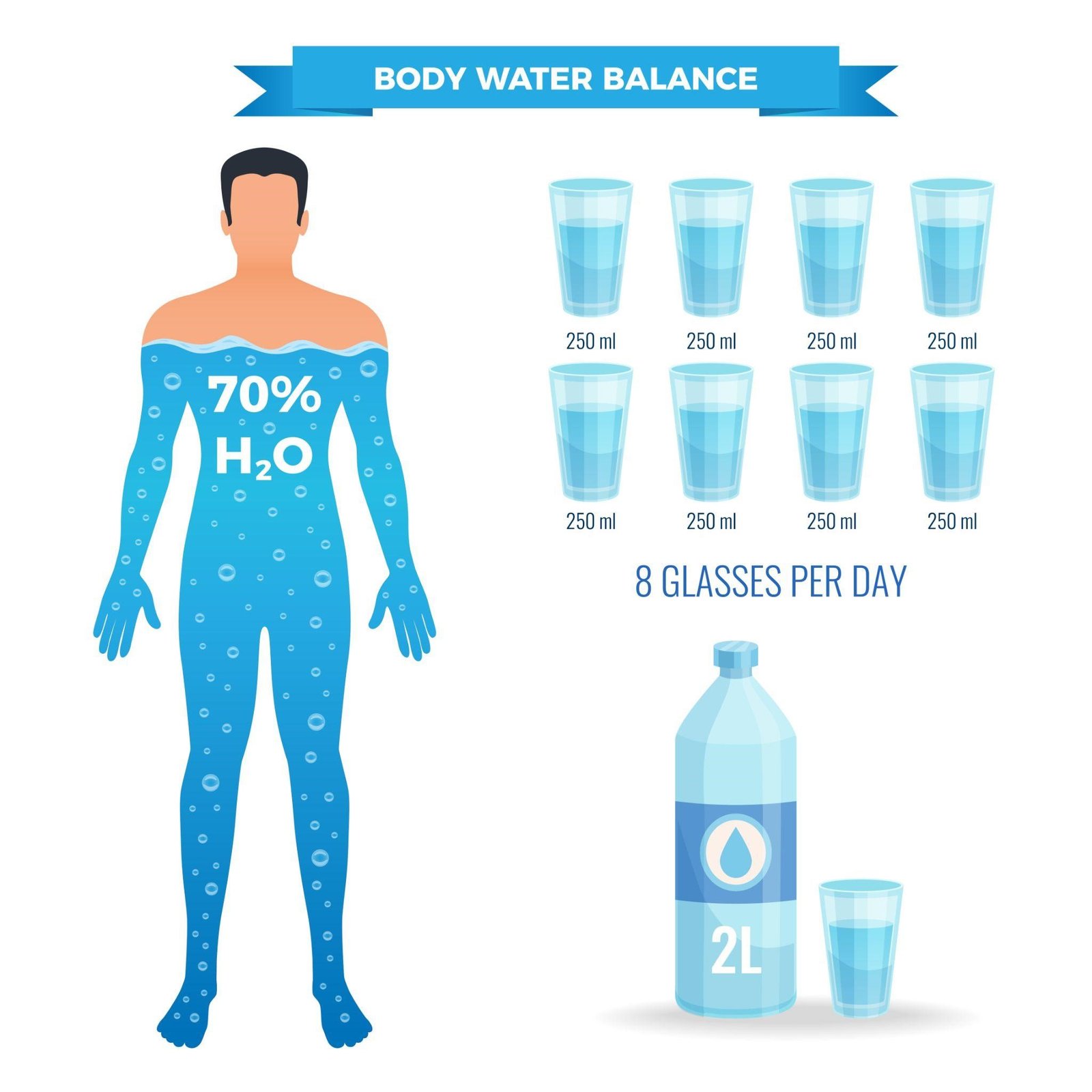
Another easy-to-follow recommendation is the 8×8 rule, which suggests drinking eight 8-ounce glasses of water daily (about 2 liters). While it's a helpful starting point, many people may need more depending on their lifestyle.
Factors That Affect Your Water Needs 1. Physical Activity
If you exercise regularly or participate in sports, you'll lose more fluids through sweat. Increase your water intake before, during, and after physical activity.
Hot or Humid Weather
High temperatures increase perspiration, requiring additional hydration to replace lost fluids.
Body Weight
Larger individuals generally require more water than those with lower body weight.
Pregnancy and Breastfeeding
Women who are pregnant or breastfeeding need extra fluids to support both themselves and their babies.
Illness
Fever, diarrhea, vomiting, or infections can increase fluid loss and raise hydration needs.
Signs You're Not Drinking Enough Water
Your body often provides warning signs when hydration levels drop.
Common symptoms include:
Dry mouth
Headaches
Fatigue
Dark yellow urine
Dizziness
Muscle cramps
Dry skin
Difficulty concentrating
Constipation
If you notice these symptoms regularly, increasing your daily water intake may help.
Benefits of Drinking Enough Water Improves Physical Performance
Proper hydration supports muscle function and helps prevent fatigue during exercise.
Boosts Brain Function
Drinking enough water may improve memory, focus, and mental clarity while reducing tiredness.
Supports Healthy Digestion
Water helps move food through the digestive system and can reduce the risk of constipation.
Promotes Healthy Skin
Hydration supports skin elasticity and contributes to a healthier appearance.
Helps Maintain Kidney Health
Adequate fluid intake supports normal kidney function by helping remove waste products through urine.
May Support Weight Management
Drinking water before meals may help some people feel fuller, making portion control easier.
Best Foods That Help Keep You Hydrated
Many fruits and vegetables contain high amounts of water, including:
Watermelon
Cucumber
Strawberries
Oranges
Celery
Lettuce
Tomatoes
Zucchini
Bell peppers
Cantaloupe
Including these foods in your diet contributes to your overall hydration.
Tips to Drink More Water Every Day
Making hydration a daily habit doesn't have to be difficult.
Try these simple strategies:
Carry a reusable water bottle.
Drink a glass of water after waking up.
Have water before each meal.
Set reminders on your phone.
Add lemon, cucumber, or mint for flavor.
Eat more water-rich fruits and vegetables.
Replace sugary drinks with water whenever possible.
Can You Drink Too Much Water?
Yes. Although uncommon, drinking excessive amounts of water within a short period can lead to water intoxication (hyponatremia), a condition where sodium levels in the blood become dangerously low.
The best approach is to drink consistently throughout the day and pay attention to your thirst, activity level, and urine color.
Frequently Asked Questions Is coffee counted as water intake?
Yes. Coffee and tea contribute to your daily fluid intake, although plain water remains the healthiest choice.
How can I tell if I'm hydrated?
Pale yellow urine is generally a good indicator of adequate hydration.
Should everyone drink 8 glasses of water?
Not necessarily. Individual hydration needs vary based on lifestyle, health status, and environmental conditions.
Is sparkling water as good as regular water?
Yes. Unsweetened sparkling water contributes to your daily hydration just like still water.
Final Thoughts
There isn't a single amount of water that's perfect for everyone. Your ideal daily water intake depends on your body, activity level, and environment. Drinking water consistently throughout the day, eating water-rich foods, and paying attention to your body's signals are practical ways to stay hydrated.
Whether your goal is better energy, healthier skin, improved digestion, or overall wellness, making hydration a daily priority is one of the simplest habits you can adopt for long-term health.