Walking is one of the simplest activities a person can do, yet it remains one of the most powerful habits for improving overall well-being. In a world where many people spend hours sitting at desks, driving, or using electronic devices, regular walking provides an easy way to stay active and support both physical and mental health.
Unlike complicated fitness programs that require expensive equipment or gym memberships, walking can be done almost anywhere. A pair of comfortable shoes and a commitment to move every day are often all that is needed to experience meaningful health improvements.
Whether your goal is to maintain a healthy weight, strengthen your heart, reduce stress, improve sleep, or simply feel more energetic throughout the day, daily walking can help you achieve lasting results.
Why Walking Matters More Than Ever
Modern lifestyles often encourage inactivity. Long hours of sitting can affect circulation, muscle strength, posture, metabolism, and even mental health. Walking helps counter these effects by encouraging natural movement throughout the body.
Regular walking supports healthy aging, promotes better mobility, and helps maintain independence as people grow older. More importantly, it is an activity that most individuals can continue throughout their lives regardless of fitness level.
The true power of walking lies in consistency. Small daily efforts can create significant long-term benefits for health and quality of life.
Strengthens Heart Health
Your heart is a muscle, and like all muscles, it becomes stronger with regular exercise. Walking encourages better circulation, helping oxygen and nutrients move efficiently throughout the body.
People who walk regularly often experience healthier blood pressure levels and improved cardiovascular function. Consistent walking can also help support healthy cholesterol levels and reduce the strain placed on the heart.
Over time, maintaining an active walking routine may lower the risk of heart-related health concerns while improving overall endurance and energy.
Supports Healthy Weight Management
Many people choose walking as part of their weight management journey because it is sustainable and easy to maintain.
Walking increases daily calorie expenditure and helps the body use energy more efficiently. When combined with balanced nutrition, it can contribute to gradual and healthy weight loss.
Unlike extreme workout programs that may be difficult to follow consistently, walking provides a practical long-term solution. Even moderate daily walks can make a noticeable difference in maintaining a healthy body weight.
Improves Blood Sugar Balance
One of the lesser-known advantages of walking is its effect on blood sugar regulation.
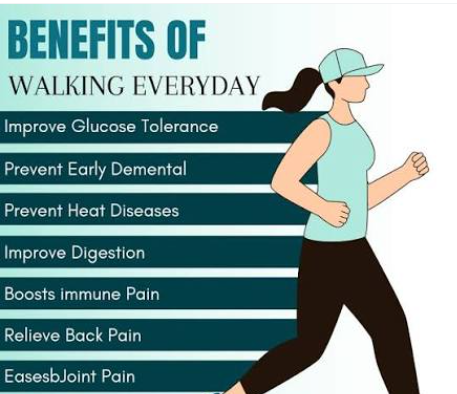
Taking a walk after meals encourages muscles to use glucose for energy, helping the body manage blood sugar levels more effectively. This simple habit can support metabolic health and reduce sharp increases in blood sugar that often occur after eating.
For many individuals, a short walk after lunch or dinner can become an easy addition to a healthier lifestyle.
Enhances Joint and Bone Health
Many people assume exercise places excessive stress on joints, but walking can actually help support joint function when performed regularly.
Walking encourages the production of joint-supporting fluids that help maintain smooth movement. It also strengthens muscles surrounding the joints, improving stability and reducing stiffness.
Because walking is a weight-bearing activity, it helps maintain bone strength and supports healthy bone density as people age. This is especially important for adults who want to remain active and independent later in life.
Boosts Energy Naturally
Feeling tired throughout the day is a common complaint among adults. While it may seem counterintuitive, expending energy through walking often results in higher overall energy levels.
Walking improves blood circulation and oxygen delivery throughout the body. This process helps muscles and organs function more efficiently, leading to increased alertness and reduced feelings of fatigue.
Many people find that a brisk walk during the morning or afternoon helps them stay focused and productive for the rest of the day.
Strengthens the Immune System
A healthy immune system plays an important role in protecting the body from illness.
Regular walking encourages healthy circulation of immune cells throughout the body. Consistent physical activity also helps reduce chronic inflammation, which has been linked to numerous health concerns.
While no activity can guarantee complete protection from illness, maintaining a daily walking routine can support the body's natural defense mechanisms and contribute to better overall health.
Reduces Stress and Mental Tension
The benefits of walking extend far beyond physical fitness. One of the most immediate effects of a walk is its ability to reduce stress.
Walking provides an opportunity to step away from daily pressures and clear the mind. The rhythmic movement of walking can create a calming effect that helps lower mental tension and promote relaxation.
Walking outdoors often enhances these benefits. Exposure to fresh air, natural sunlight, and green spaces can contribute to a greater sense of calm and emotional balance.
Improves Mood and Emotional Well-Being
Physical activity encourages the release of chemicals in the brain that are associated with positive feelings and emotional stability.
Many people notice an improved mood after just a short walk. Feelings of frustration, irritability, and anxiety often decrease, while confidence and motivation increase.
Daily walking can become a powerful tool for supporting emotional wellness and maintaining a positive outlook on life.
Supports Better Sleep Quality
Quality sleep is essential for physical recovery, mental clarity, and overall health.
People who walk regularly often experience deeper and more refreshing sleep. Walking helps regulate the body's natural internal clock while reducing stress levels that may interfere with rest.
Improved sleep quality can lead to better concentration, enhanced productivity, and increased energy throughout the day.
Promotes Brain Health
The brain benefits significantly from regular physical movement.
Walking increases blood flow to the brain, delivering oxygen and nutrients needed for healthy cognitive function. This can support memory, concentration, and learning abilities.
As people age, maintaining an active lifestyle may help preserve cognitive performance and support long-term brain health.
Encourages Healthy Digestion
A short walk after eating can help support healthy digestion.
Gentle movement stimulates digestive processes and may reduce feelings of bloating or discomfort after meals. Many individuals find that walking after dinner becomes an easy and effective habit for supporting digestive wellness.
This simple practice can contribute to greater comfort and overall digestive health.
Builds Consistency and Healthy Habits
One of the greatest advantages of walking is its accessibility.
Because it requires minimal preparation, walking is often easier to maintain than many other forms of exercise. Consistency is a key factor in achieving long-term health improvements, and walking provides a realistic activity that fits into most lifestyles.
Over time, daily walks can encourage additional healthy habits, including improved nutrition, better sleep routines, and increased physical activity.
Simple Ways to Walk More Every Day
If you are new to walking, consider these practical strategies:
Take a 15-minute walk every morning.
Walk after meals whenever possible.
Use stairs instead of elevators.
Park farther away from entrances.
Walk while talking on the phone.
Schedule walking breaks during work hours.
Explore local parks and walking trails.
Invite family members or friends to join you.
Small changes can add hundreds or even thousands of extra steps to your day.
How Much Walking Is Enough?
There is no perfect number of steps that applies to everyone. The best approach is to gradually increase activity based on your current fitness level.
Beginners may start with 15 to 20 minutes daily. As endurance improves, extending walks to 30 to 60 minutes can provide even greater benefits.
The goal is not perfection but consistency. Walking regularly, even for short periods, is far more effective than exercising intensely only once in a while.
Conclusion
Daily walking is one of the most effective habits for improving both physical and mental health. It strengthens the heart, supports healthy weight management, improves circulation, promotes better sleep, enhances mood, reduces stress, and supports long-term well-being.
The beauty of walking lies in its simplicity. Every step contributes to a healthier future. Whether you begin with a short walk around your neighborhood or commit to a longer daily routine, the benefits can accumulate over time and positively influence nearly every aspect of your life.
Start today, stay consistent, and allow each step to move you toward better health and greater happiness.